
Celia Cruz: “La Negra (Todavia) Tiene Tumbao”
- Pedro Leandro Rodriguez Bonilla
- Apr 22
- 2 min read
Updated: Apr 24
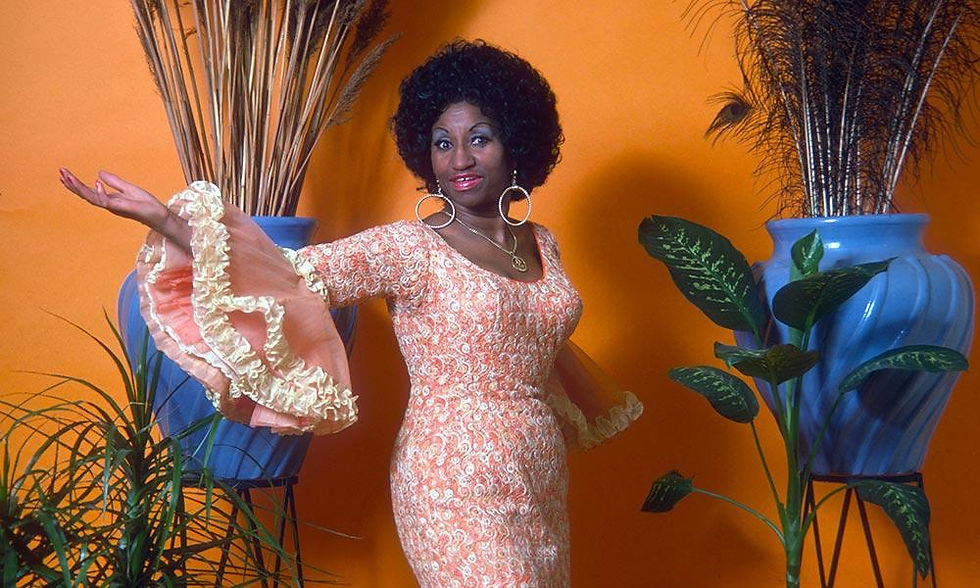
As of the 2026 class, 3 Latino/Hispanic solo artists or acts have been inducted into the Rock & Roll Hall of Fame: Santana, Ritchie Valens, and Linda Ronstadt.
The induction of Celia Cruz into the Rock and Roll Hall of Fame is more than a long overdue honor. It is a cultural correction. Cruz becomes the first artist who primarily performed in Spanish to be inducted, a milestone that exposes both her immense influence and the industry’s historical blind spots.
In a year of Latino dominance at cultural events, including Coachella, and the charts. This moment comes as a crescendo for Latino culture.
Some other artists with Latino heritage have been inducted as members of broader groups, but they are not always counted the same way in Latino-only lists. Here are the inductees described by Rock Hall as Latino.
Artist | Year | Reason for induction |
Santana | 1998 | Official Rock Hall wording highlights Santana’s “fusion of jazz, rock and Latin influences” and its lasting impact rockhall. |
Ritchie Valens | 2001 | The Rock Hall says his “inimitable blend of Mexican dance music and rock” influenced generations of rockers rockhall. |
Linda Ronstadt | 2014 | The Rock Hall describes her as a versatile vocalist who expanded from country- and folk-rock roots across many genres rockhall. |
For decades, the Hall has defined rock not just as a sound but as a spirit shaped by multiple traditions. Yet Latin music has often been treated as adjacent rather than foundational. Cruz’s recognition challenges that idea. Her work in Afro Cuban rhythms and her role in shaping salsa helped define the soundscape of modern popular music. The Hall itself credits her as a pioneer who expanded Latin pop and influenced broader musical culture.
Her catalogue includes hits such as “Cao cao maní picao,” “Mata siguaraya,” “Burundanga,” and “El yerbero moderno,” while later well-known songs include “Quimbara,” “Bemba Colá,” “La Vida Es Un Carnaval,” and “La Negra Tiene Tumbao”.
Here she is in 2002 at the Grammys, singing one of her greatest hits.
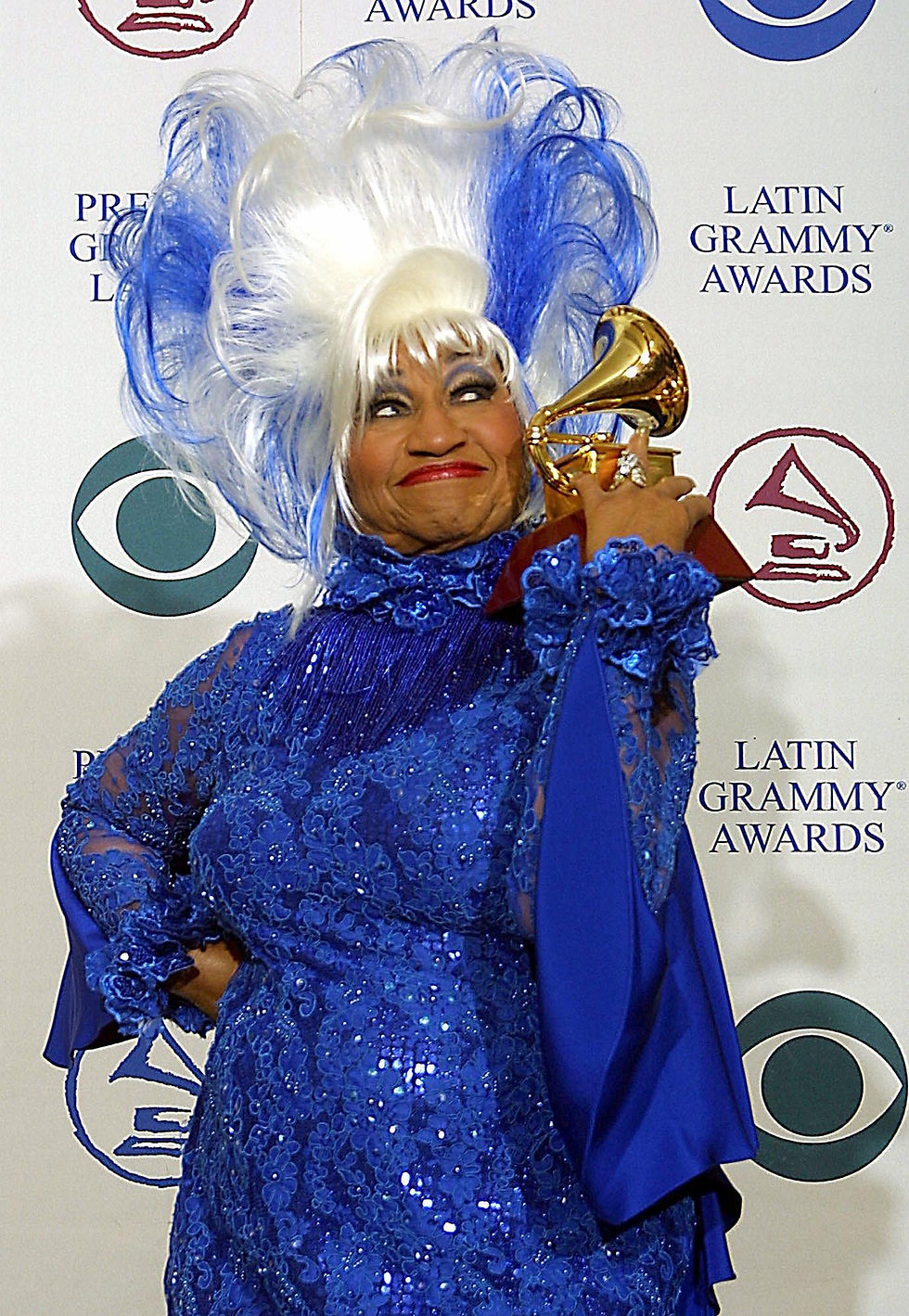
Celia Cruz won 4 Grammy Awards during her lifetime, along with 3 Latin Grammy Awards.
Her Grammys came later in her career, recognizing both her enduring influence and her role in bringing Afro Cuban and salsa music to a global audience. Even though she was one of the most important Latin artists of all time, mainstream recognition from institutions like the Recording Academy arrived relatively late, which is part of why honors like her Rock and Roll Hall of Fame induction carry so much weight today.
What makes this moment especially significant is how rare it is. The number of Latino artists recognized by the Hall remains small, despite their outsized impact on global music. Cruz’s induction highlights that gap while also pushing the institution toward a more honest and inclusive narrative.
Her placement in the Early Influence category is telling. It acknowledges her undeniable impact while still keeping her slightly outside the traditional definition of rock. That tension reflects a larger truth. Genres like salsa were never separate from the evolution of American music. They were part of the same conversation.
Ultimately, honoring Celia Cruz is not just about celebrating a legend. It is about redefining whose stories get to shape music history.


Comments